
Breaking Barriers in Autism Care: A Global Call for Equitable Support and Solutions

Autism spectrum disorder (ASD) affects millions of children and families worldwide. Yet, access to meaningful support remains deeply unequal. Families across different regions face persistent challenges such as late diagnosis, limited therapy access, social stigma, and fragmented care systems. These barriers are especially visible in countries like Uganda, where resources are scarce and awareness is still growing. Even in more developed countries like the United States, families often navigate complex, costly, and disconnected services that make consistent care difficult to obtain.
At The Roy Mubiru Foundation, the belief is clear: autism care is a global responsibility that demands practical, long-term solutions. This post explores the real challenges families face and highlights the urgent need for equitable support worldwide.

Late Diagnosis and Lost Opportunities
Early diagnosis plays a crucial role in helping children with autism reach their full potential. Unfortunately, many children, especially in low-resource settings, are identified far too late. Several factors contribute to this delay:
Limited awareness: Many communities lack basic knowledge about autism, leading to missed early signs.
Cultural stigma: Families may hide symptoms due to fear of judgment or misunderstanding.
Shortage of trained professionals: Few specialists are available to assess and diagnose children promptly.
For example, in Uganda, many children receive a diagnosis only after starting school or even later. This delay means they miss critical early interventions that can improve communication and social skills.
In the United States, although awareness is higher, families often face long waits for diagnostic appointments. The process can be emotionally draining and expensive, causing delays in starting therapy. These delays reduce the chances of maximizing developmental gains during early childhood.
Limited Access to Therapy
Therapy is essential for supporting communication, behavior, and daily living skills in children with autism. However, access to therapy remains uneven worldwide.
In Uganda, therapy services are scarce. Families often travel long distances to reach the nearest center, and the costs can be prohibitive. Many rely on community-based programs or informal support networks, which may lack specialized training.
In contrast, the United States offers more therapy options but faces its own challenges:
High costs: Many families struggle with therapy expenses not fully covered by insurance.
Long waiting lists: Demand often exceeds supply, causing delays.
Inconsistent coverage: Insurance policies vary widely, creating uncertainty.
These barriers mean that even when therapy is available, consistent and effective care is not guaranteed.

The Weight of Social Stigma
Social stigma remains a heavy burden for families affected by autism. Misunderstandings about the condition lead to isolation, exclusion, and silence. This stigma affects children’s access to education, social activities, and community support.
In many cultures, autism is still seen as a mystery or a source of shame. Families may avoid seeking help or hide their child’s diagnosis to protect them from discrimination. This isolation can worsen mental health for both children and caregivers.
Efforts to raise awareness and educate communities are essential. When people understand autism better, they are more likely to offer support rather than judgment.
Building Practical, Long-Term Solutions
Addressing these challenges requires coordinated action at multiple levels:
Increase awareness: Community education campaigns can help reduce stigma and promote early diagnosis.
Train professionals: Expanding training for healthcare workers and educators improves identification and care.
Expand therapy access: Developing affordable, community-based therapy programs can reach underserved areas.
Simplify care systems: Streamlining services and improving insurance coverage can reduce barriers in developed countries.
The Roy Mubiru Foundation works to bridge gaps by supporting families, training local providers, and advocating for policy changes. Their approach shows that practical solutions are possible when communities and organizations collaborate.
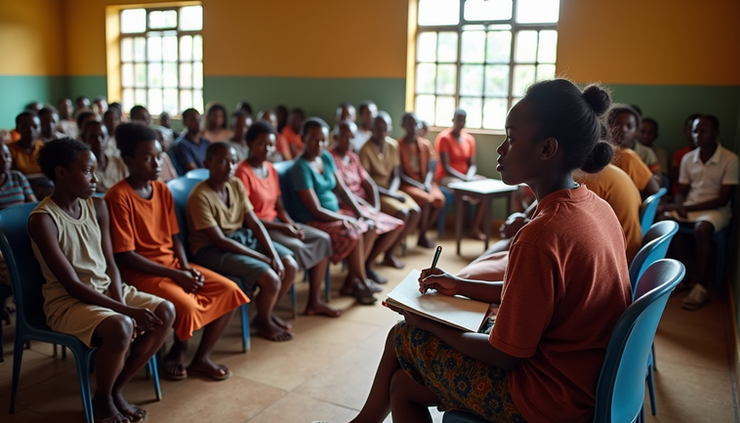
Families living with autism deserve equal access to timely diagnosis, effective therapy, and social acceptance no matter where they live. The challenges are real, but so is the opportunity to create change. By breaking down barriers and building inclusive support systems, the global community can help children with autism thrive and reach their full potential.
Comments